Automotive Transport: How to Ship Your Car Across Canada
You need to move a car across Canada, and you’d rather not drive it yourself. Here’s how automotive transport works and what you need to do
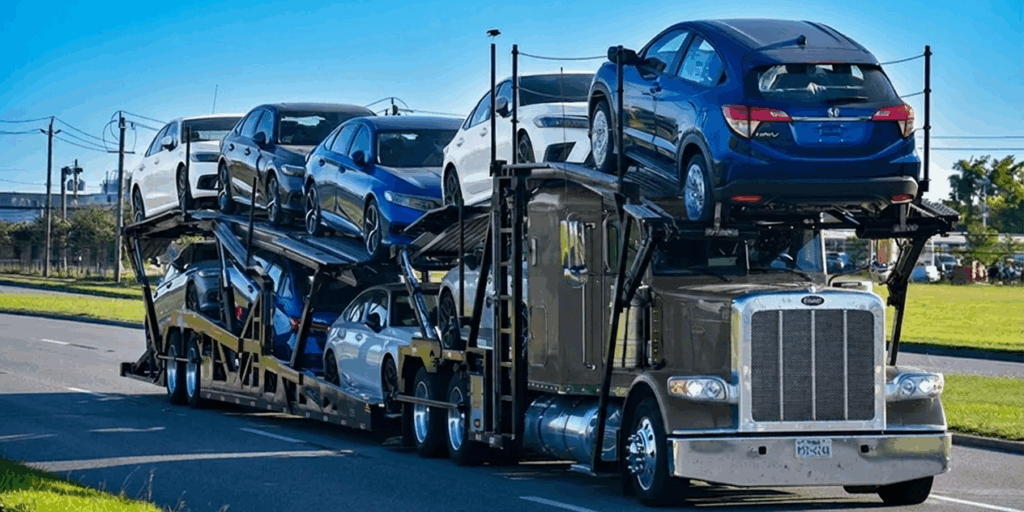
How to Ship Your Car in 4 Steps
Car shipping is relatively straightforward when you choose an automotive transport company like Automoves.
- You get a quote. You’ll need to provide the pickup city, delivery city, and your vehicle’s make and model. A good carrier gives you a firm price, not a vague range. At Automoves, SUV shipping does not cost more than shipping a sedan.
- You book a pickup date. Most carriers offer a 1 to 3-day pickup window. The driver calls you the day before to confirm timing.
- The carrier picks up your car. The driver inspects it, photographs existing damage, and you both sign a Bill of Lading. That document protects you if anything happens during transit. The whole thing takes about 20 minutes.
- Your car gets delivered. Same inspection process at the other end. Upon delivery, you can compare the car to the pickup photos and sign off.
How Long Does Automotive Transport Take?
There’s no fixed number because transit times depend on several things. Distance is the obvious one. But carrier schedules matter just as much. Most carriers consolidate multiple vehicles heading in the same direction into one load, which means your car ships when the route has enough bookings to justify a departure. Popular corridors run more frequently than less common ones.
Season affects timing too. Winter weather can slow things down, especially on mountain routes or in provinces that get heavy snowfall. Road closures, mandatory chain requirements, and reduced driving hours in poor conditions all add time. Peak seasons like summer relocations and fall snowbird shipping also create backlogs that can push pickup windows out by a few days. The best way to get a timeline for your specific route is to request a quote.
How to Choose Between Open and Enclosed Car Transport
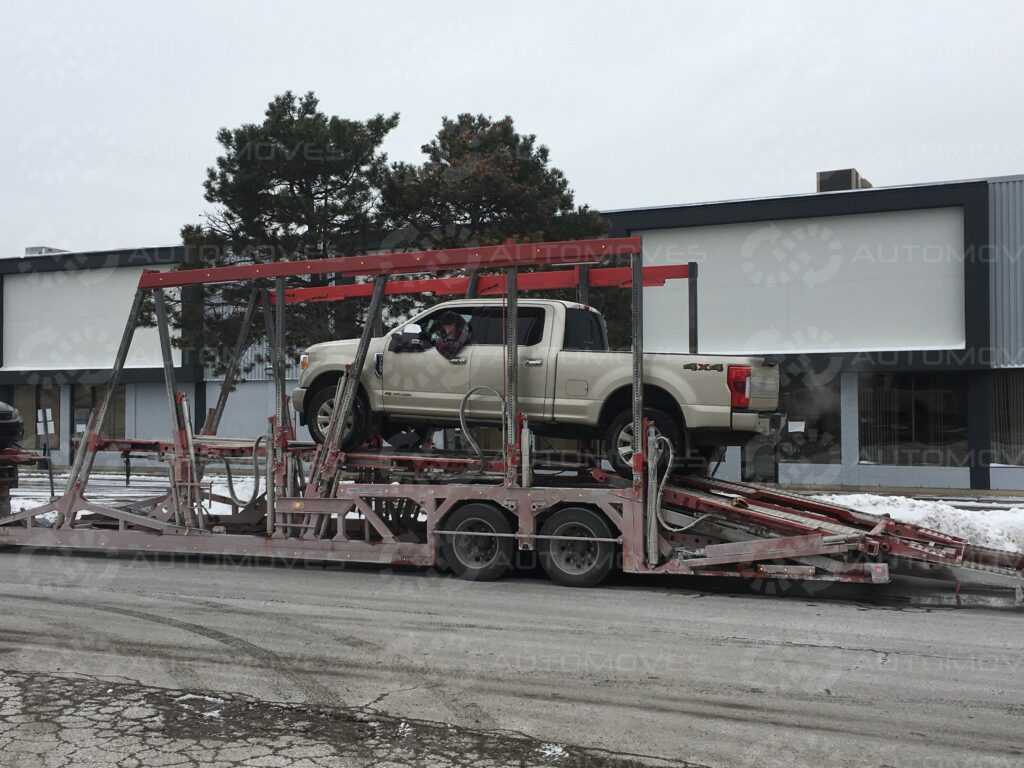
Open transport is the default. Your car rides on a trailer with other vehicles. It’s cheaper, faster (because open carriers run more frequently), and perfectly fine for everyday cars.
Enclosed transport costs more but keeps your car fully covered. Worth it for luxury vehicles, classics, or anything you’d rather not expose to road dust and weather. For most people shipping a daily driver or a used car they bought online, open transport is the right call.
What You Need to Do Before Your Car Ships
First of all, remove personal items from the car. This is important, since carriers aren’t insured for belongings inside the vehicle.
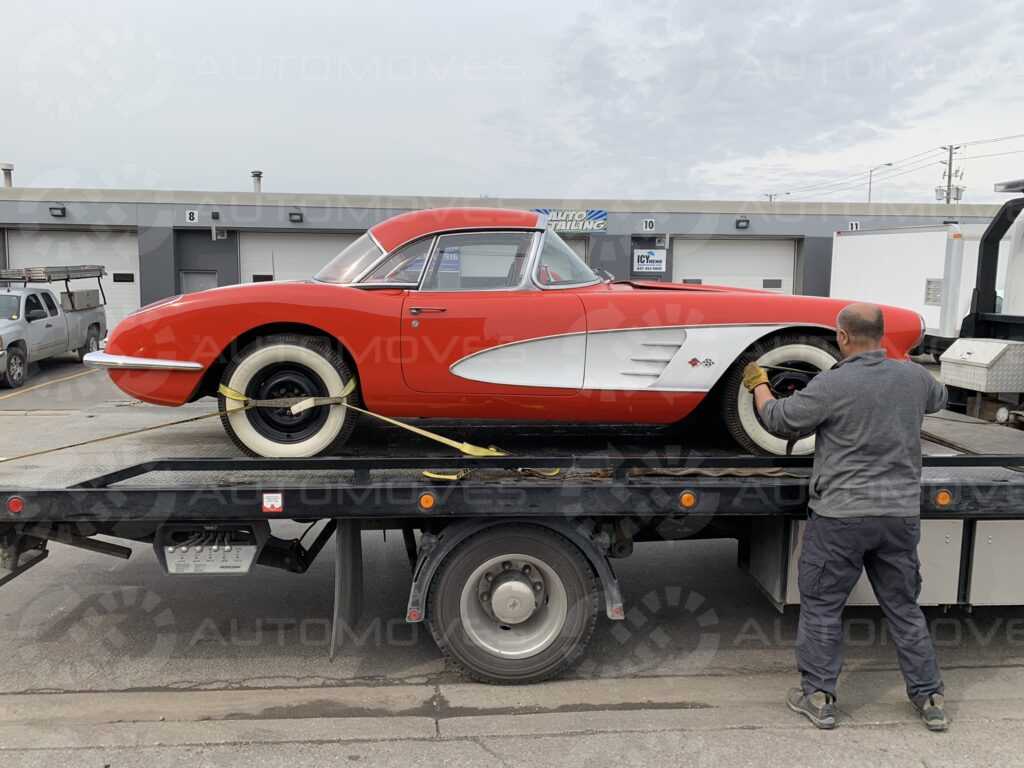
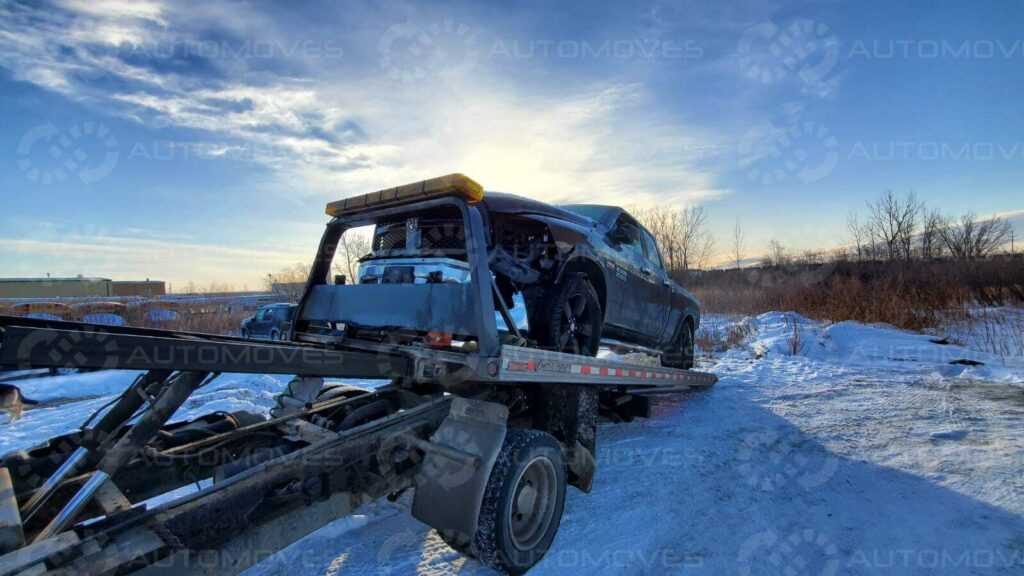
Next, make sure your vehicle starts and the battery is charged, as the assigned driver needs to load and unload it. If your car doesn’t run, tell the carrier upfront so they can bring the right equipment. Also, don’t forget to take your own photos before the driver arrives. It takes two minutes and gives you backup documentation.
Frequently Asked Questions About Automotive Transport
Ready to ship your car across Canada?
If you want to avoid putting mileage on your car when shipping it across Canada, you need a vehicle transport company. Receive a free quote from Automove today to get started!