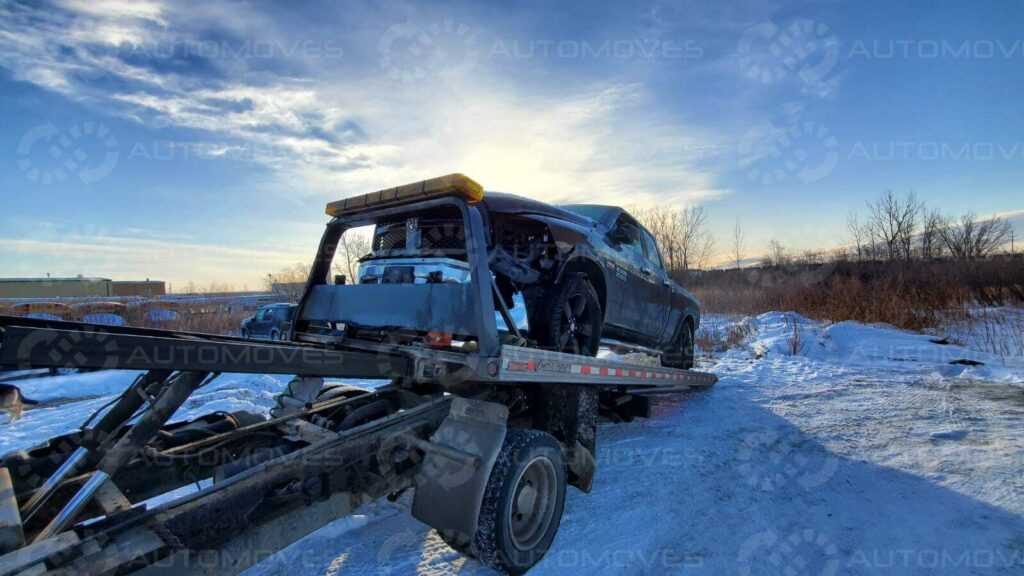





Winch Car Transport: How Inoperable Vehicles Are Loaded
Your car doesn’t run. It still needs to get on a trailer. Here’s how winch loading works and what happens during the process.
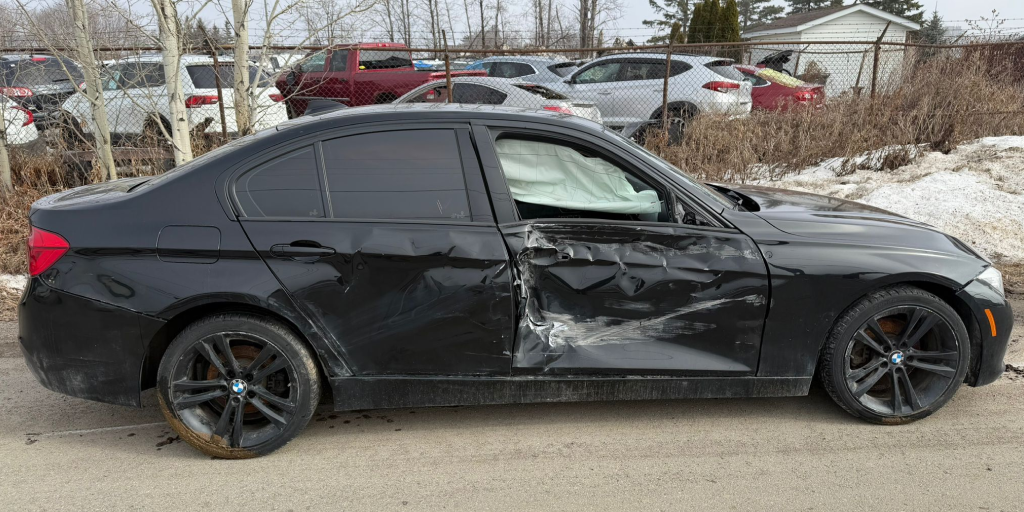
What Winch Loading Is
Winch loading is a mechanical process for getting a vehicle onto a transport trailer when it can’t drive on under its own power. A steel cable attached to a motorized winch connects to the vehicle’s frame or tow points and pulls it up the trailer ramp.
It’s the standard method for loading any car that doesn’t start, can’t steer, or has no working brakes. The winch does the work that the vehicle’s engine and drivetrain normally would.
How the Winch Loading Process Works
Connecting the Cable
The driver attaches the winch cable to designated tow points or the vehicle’s frame. These are structural points designed to handle pulling force. The cable never attaches to body panels, bumper covers, or suspension components. If the vehicle has accessible tow hooks, those are used. If not, the driver finds a solid frame point underneath.
Pulling the Vehicle Up
The winch pulls the car slowly and steadily up the ramp. The driver controls the speed and watches the vehicle’s position the entire time. If the car’s wheels are locked or flat, the process takes longer because there’s more friction. But the winch is designed to handle that resistance.
Positioning and Securing
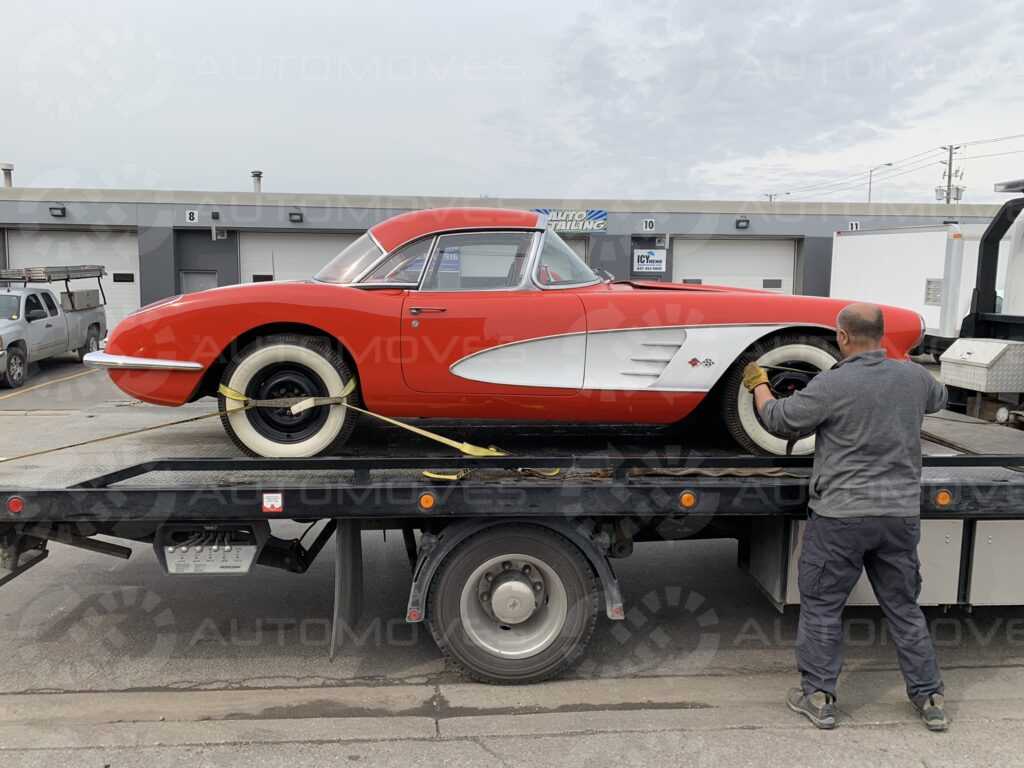
Once the car is on the trailer, the driver positions it and secures it with tie-down straps. On a vehicle that can’t steer, positioning takes more time because the driver has to work with the winch and guide wheels manually. The car gets strapped down the same way a running vehicle would.
When Winch Loading Is Required
Any vehicle that can’t meet all three conditions, starts, steers, and brakes, needs winch loading. Common situations include salvage vehicles from insurance write-offs, project cars bought at auction, flood-damaged vehicles, cars with dead batteries and seized engines, and vehicles with collision damage that prevents them from rolling.
The condition doesn’t have to be catastrophic. Even a car with a dead battery and no way to jump it may need winch loading if the transmission is locked in park and the steering column is engaged.
Will Winch Loading Damage the Car?
When done properly, no. The cable attaches to structural points built to handle load. The pull is slow and controlled. Experienced drivers do this regularly and know how to handle vehicles in various states of disrepair. The pre-loading inspection still happens. The driver documents the vehicle’s condition before touching it, so any existing damage is recorded before the winch cable goes on. The inspection and Bill of Lading process protects you regardless of how the vehicle gets loaded.
What to Tell Your Carrier Before Pickup
Be specific. Does the car start at all? Do the wheels roll freely in neutral? Is the steering locked? Are any tyres flat? Is there frame damage that affects how the car sits? The more the carrier knows in advance, the better they can prepare. Automoves handles inoperable vehicles across Canada, but the right equipment needs to be on the truck when the driver arrives. Auction car shipping often involves inoperable vehicles with tight pickup deadlines, so communicating the vehicle’s condition early prevents delays.
Frequently Asked Questions
Shipping a car that doesn’t run?
If your vehicle needs winch loading, get a free quote from Automoves and include the vehicle’s condition so the right equipment is ready at pickup.