Is Open Car Transport Safe? What to Expect
You’re about to ship your car and you’re wondering if open transport is safe. Here’s what actually happens on an open trailer and what the real risks are.
How Open Car Transport Works
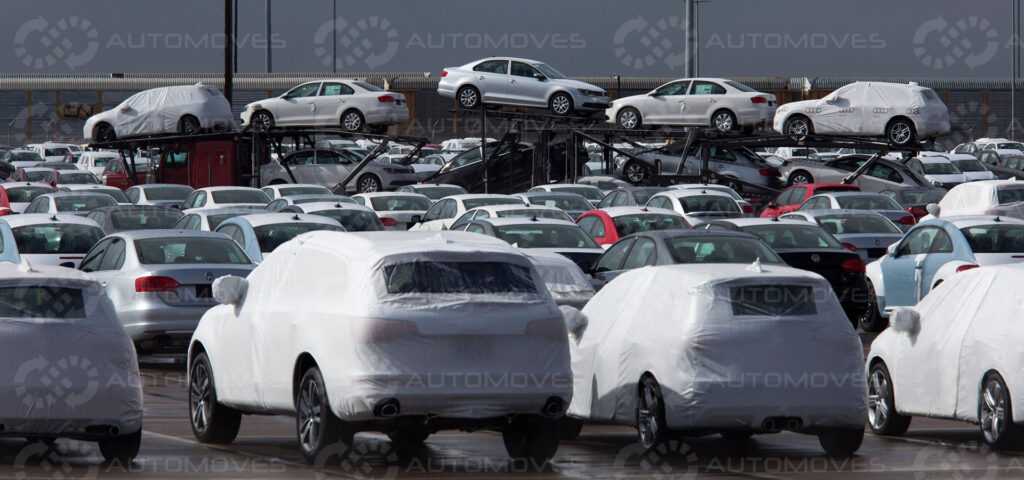
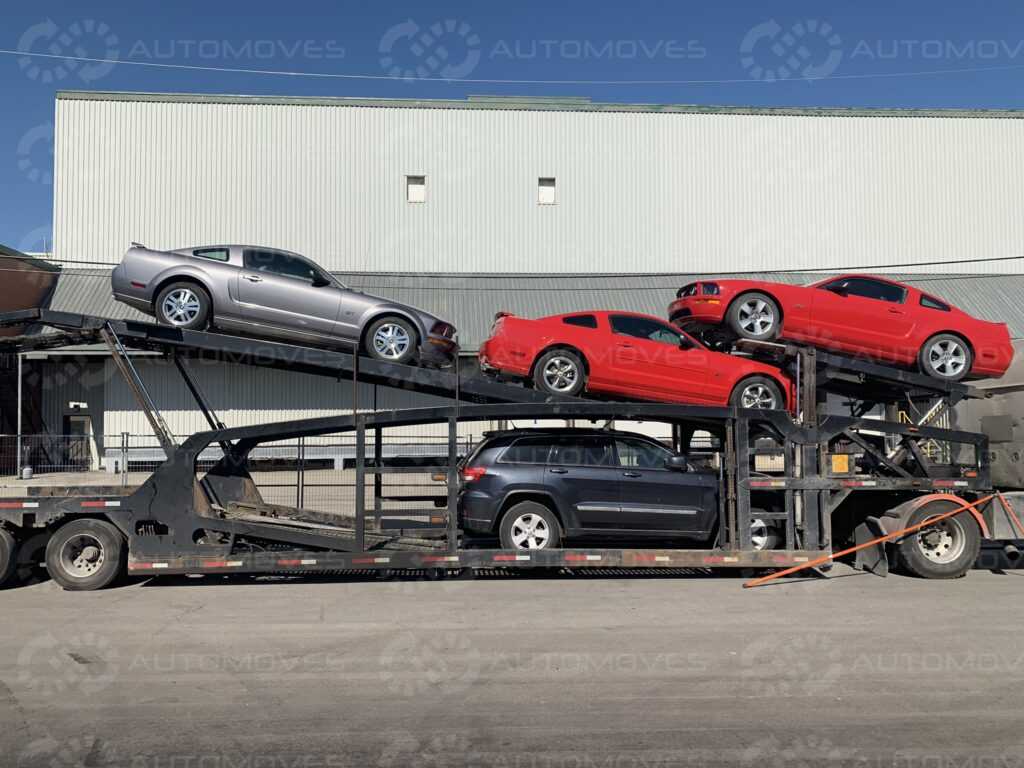
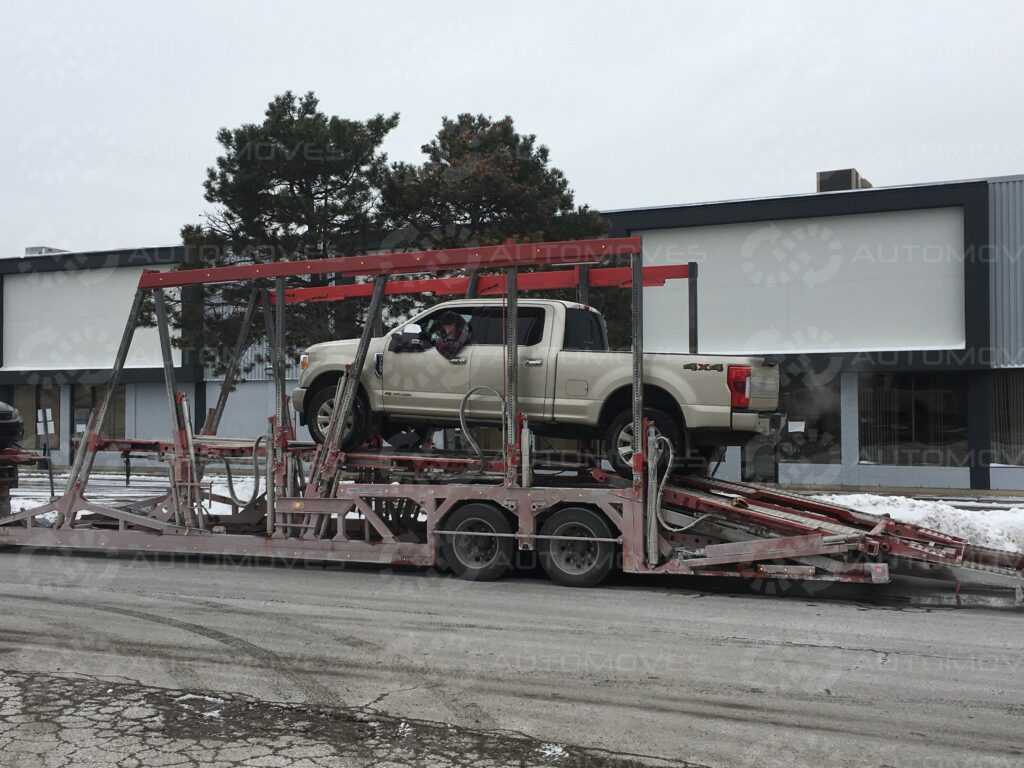
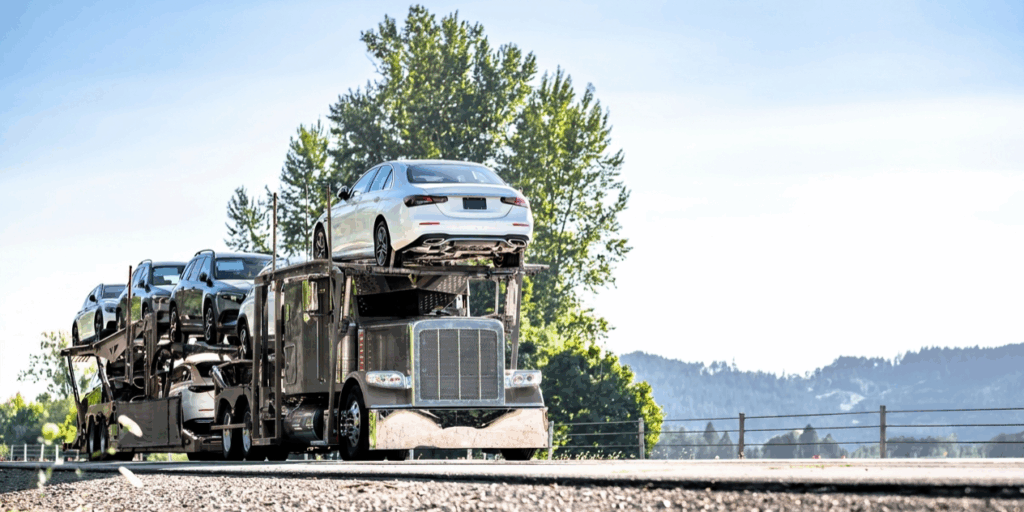
Your car is loaded onto a multi-vehicle trailer, secured with professional-grade wheel nets and straps, and transported alongside other vehicles heading in the same direction. This is the same method dealerships use to move brand-new cars from factories to showrooms. Open car trailers are used for door-to-door car shipping, cross-country vehicle transport, transporting large SUVs, and every other kind of move.
The trailer is open, meaning the vehicles are exposed to the same conditions they’d face driving down the highway. Rain, dust, and air. That’s it.
What Are the Actual Risks of Open Car Transport?
The concern most people have is road debris. A rock kicked up by another vehicle on the highway could theoretically chip the paint. It can happen. But it’s the same risk your car faces every time you drive it.
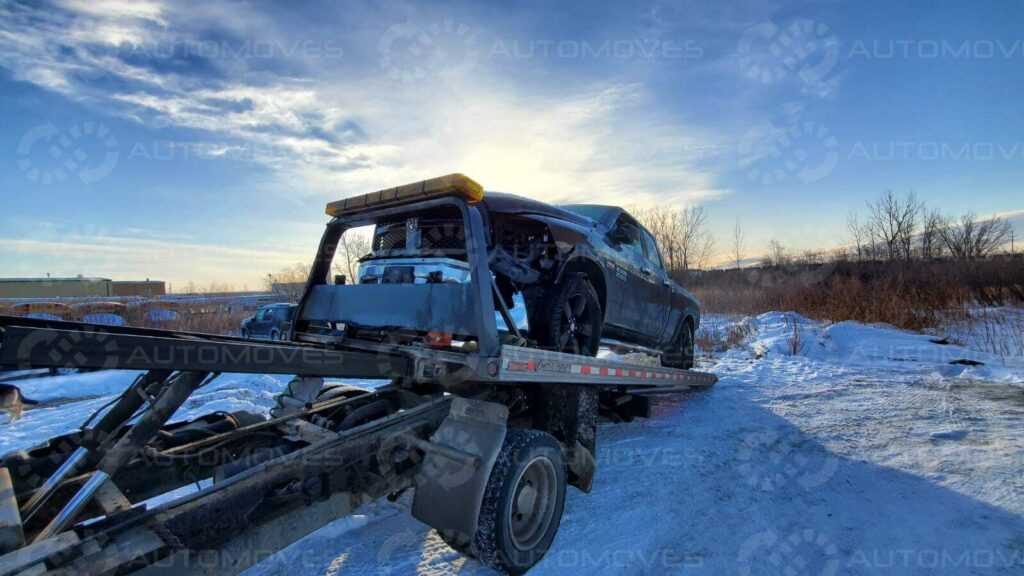
The other concern is weather. If it rains during transit, your car gets wet the same way it does sitting in your driveway. It doesn’t cause damage. Cars are designed to handle rain.
The risk of real damage during open transport is low, even when shipping your vehicle all across Canada. Carriers secure vehicles carefully because they’re liable for anything that happens in transit. Damaged vehicles mean insurance claims, which carriers want to avoid.
How Your Car Is Protected During Open Transport
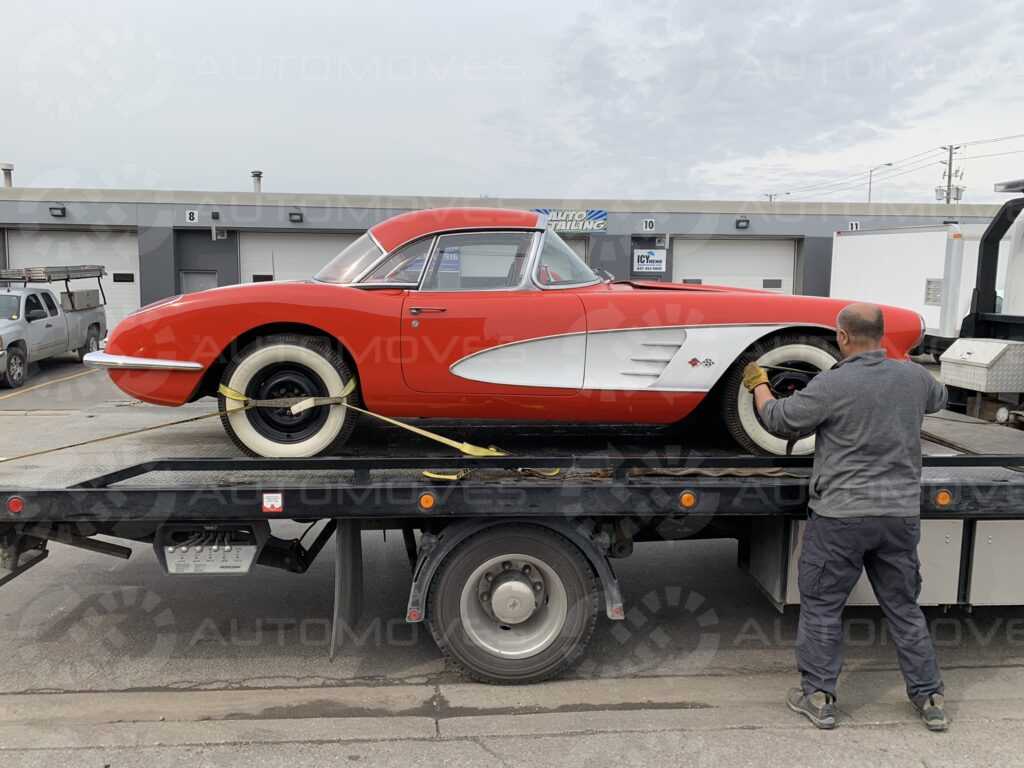
Each vehicle is secured to the trailer with wheel nets or tire straps that lock the wheels in place. Some carriers also use additional body straps for extra stability. Your car doesn’t move on the trailer. It stays exactly where the driver put it.
Before loading, the driver inspects your vehicle and photographs it. You both sign a Bill of Lading documenting its condition. At delivery, the same inspection happens. If anything changed during transit, it’s documented and the carrier’s insurance covers it.
At Automoves, every shipment includes in-transit insurance. If something does happen, you’re covered.
When Should You Choose Enclosed Transport Instead?
Enclosed transport is worth the extra cost in a few specific situations.
High-Value Vehicles
If your car is worth significantly more than the average vehicle, the cost of enclosed transport is a small percentage of its value. The premium is easy to justify when you’re protecting a major investment.
Classic or Collector Cars
These vehicles are often irreplaceable or have paint and finishes that are more sensitive than modern clear coats. Enclosed transport keeps them fully protected.
Convertibles and Low-Clearance Vehicles
Soft tops and low ride heights are more vulnerable to road debris than standard vehicles. Enclosed eliminates that risk entirely.
For everything else, open transport is the standard. Your Honda, Toyota, Ford, Hyundai, or any other daily driver ships safely on an open trailer.
What to Do Before Your Car Ships on an Open Trailer
Whether you are just moving across the province or planning a long-distance snowbird move, you need to prepare your car.
Wash Your Car
It sounds unnecessary, but a clean car makes it easier to spot any new damage at delivery. If your car is already covered in dirt, a small chip is harder to notice.
Remove Loose Accessories
Antenna toppers, removable spoilers, or aftermarket additions that aren’t bolted down should come off. They can loosen during transit.
Take Your Own Photos
Walk around the car and photograph every angle, including close-ups of any existing damage. This takes two minutes and gives you independent documentation separate from the carrier’s inspection.
Frequently Asked Questions About Open Car Transport Safety
Ready to ship your car on an open trailer?
If you want a safe, affordable way to move your vehicle across Canada, open transport is the way to go. Receive a free quote from Automoves today to get started!