




Insurance Salvage Hauling: How to Transport a Total Loss Vehicle
When an insurance company writes off a vehicle, it doesn’t disappear. It goes to auction. And someone needs to move it from there. Here’s how insurance salvage hauling works.
What Happens to a Vehicle After an Insurance Write-Off
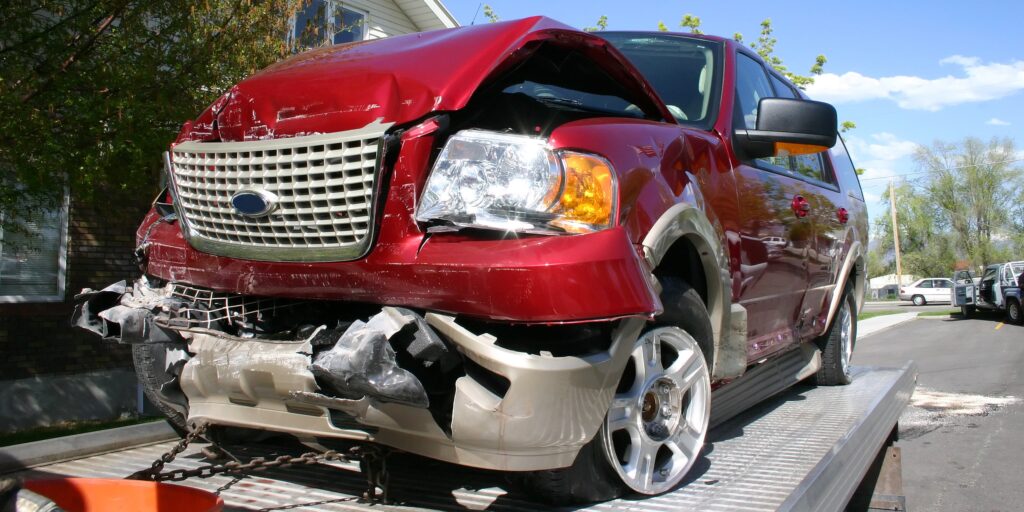
When an insurance company declares a vehicle a total loss, the insurer takes ownership and sells it through a salvage auction. In Canada, that usually means IAA, Adesa, or Manheim. Provincial insurance programs like ICBC in British Columbia, MPI in Manitoba, and SGI in Saskatchewan funnel their write-offs through IAA’s network of branches.
The vehicles at these auctions range from lightly damaged cars that look nearly new to heavily damaged ones that will only be used for parts. Some run and drive. Many don’t.
Who Buys Insurance Salvage Vehicles
Rebuilders and Resellers
Independent mechanics and small shops buy salvage vehicles to repair and resell with a rebuilt title. For them, the purchase price is only part of the equation. The cost and timing of getting the vehicle to their shop matters just as much, especially when they’re buying multiple cars per month.
Parts Operations
Some buyers strip salvage vehicles for parts. The car itself may never run again, but the engine, transmission, body panels, or electronics have value. These vehicles are almost always inoperable and need winch loading.
Individual Buyers
Private buyers sometimes purchase their own written-off vehicle back from the insurer, or find a deal at auction on a car they plan to fix themselves. If you’re buying at auction for the first time, the full process from bidding to shipping an auction vehicle involves specific steps and deadlines you’ll want to understand before the hammer falls.
How Insurance Salvage Hauling Works
Auction Release and Pickup
After you win a salvage vehicle at auction, the yard needs to release it before a carrier can pick it up. That means paying for the car, completing any paperwork the auction house requires, and waiting for the gate pass. Auction transport pickup timelines and storage fee deadlines vary by auction house, so book your carrier as soon as the sale closes. Storage fees start accumulating quickly, and every day the car sits on the lot costs money.
Vehicle Condition Assessment
The carrier needs to know the vehicle’s condition before they dispatch a truck. Can it start? Can it roll? Can it steer and brake? A salvage vehicle that runs and drives loads like any other car. One that doesn’t requires winch loading, which means the carrier needs the right equipment on site.
Be accurate when you describe the vehicle. Auction listings sometimes overstate or understate a car’s condition. If you haven’t seen the vehicle in person, say so. The carrier can work with uncertainty, but not with wrong information.
Loading and Transit
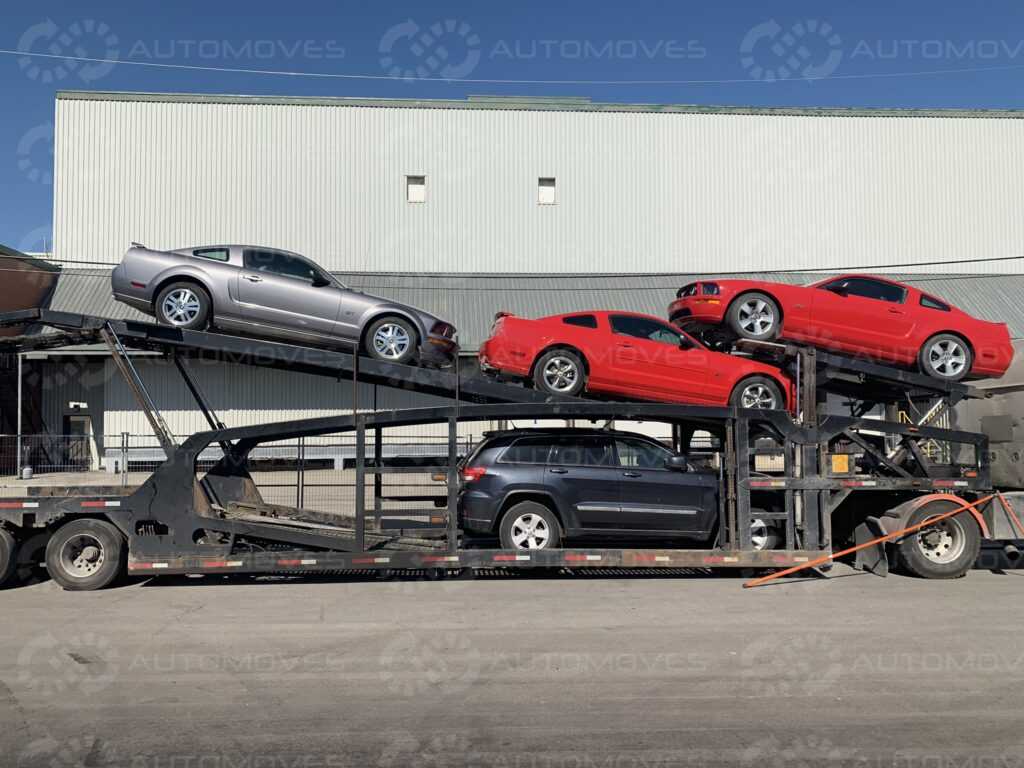
Running salvage vehicles drive onto the trailer normally. Inoperable ones are winch-loaded using a cable attached to the vehicle’s frame or tow points. Either way, the driver inspects the car and documents its condition on a Bill of Lading before it goes on the truck. The salvage title itself doesn’t affect whether a carrier will accept the vehicle. Physical condition is what determines the loading method and pricing.
Shipping From IAA Locations Across Canada
Automoves is an IAA auction partner and picks up from every IAA location in Canada. That includes over 30 branches, plus ICBC, MPI, and SGI provincial insurance locations. The company also picks up from Adesa, Manheim, and independent auction houses. IAA auction car shipping in Canada covers every branch in the network, and the pickup logistics are already established, so there’s no guesswork about yard access or release procedures.
What Insurance Salvage Hauling Costs
Pricing depends on the route, the vehicle’s condition, and whether winch loading is needed. A running salvage vehicle costs the same to ship as any other car on the same route. An inoperable one costs more because of the additional equipment and handling time.
Automoves doesn’t charge extra based on vehicle size. A written-off SUV ships for the same rate as a written-off sedan on the same route.
Frequently Asked Questions
Bought a total loss vehicle at auction?
If you’ve won a salvage vehicle and need it shipped before storage fees pile up, get a free quote from Automoves and include the vehicle’s condition for an accurate price.