Buying From Auctions Outside Your Province
Local auctions have limited inventory. The same dealers show up every week and bid on the same vehicles, which drives prices up. A dealer in Ontario buying from IAA Calgary or Adesa Montreal can find vehicles that are undervalued in those markets but sell well locally. Regional pricing differences exist across Canada, and the dealers who take advantage of them are the ones willing to ship.
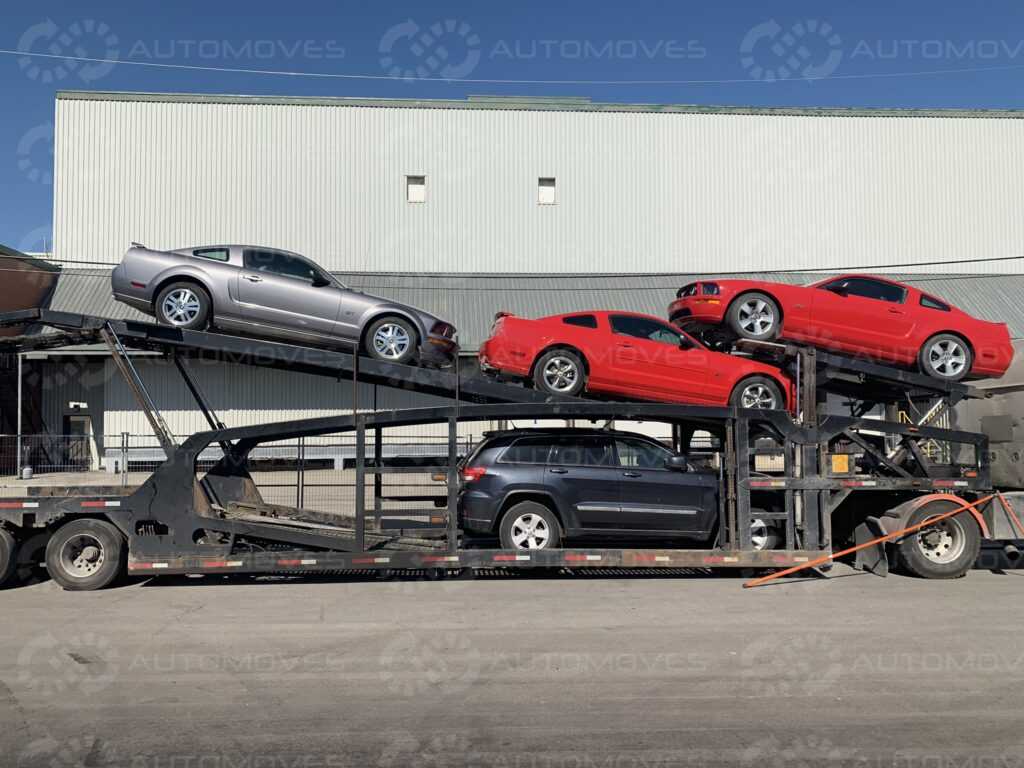
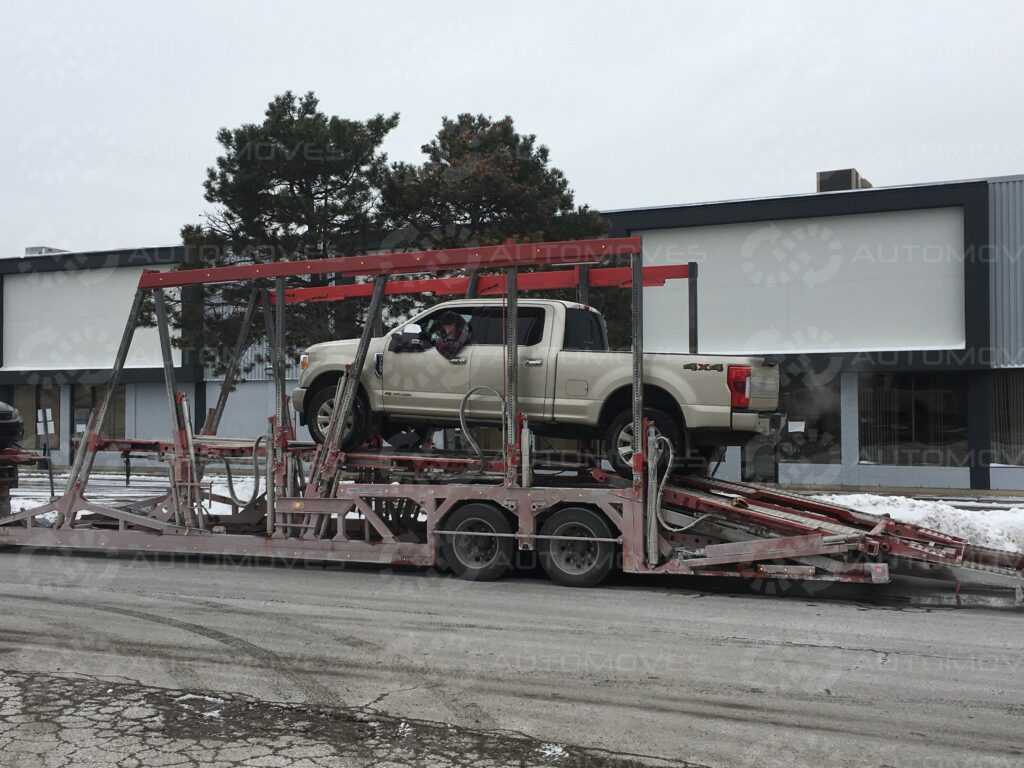
The barrier has always been dealer-to-dealer shipping. Coordinating cross-province dealer car transport on every purchase adds complexity that most small and mid-size dealers aren’t set up for. That’s what Automoves does: we remove that barrier.
Matching Your Transport Strategy to Your Inventory Mix
Not every auction vehicle is the same, and your transport approach shouldn’t be either.
Clean Title Resale Vehicles
These go straight to your lot and onto your listings. Speed matters here because every day in transit is a day the vehicle isn’t generating revenue. For clean title vehicles, prioritize fast pickup and door-to-lot delivery. The quicker it’s detailed and listed, the quicker it sells.
Rebuild and Repair Projects
These vehicles are going to your shop before they go on the lot. Delivery timing is less urgent, which means you can be more flexible with pickup windows and save on transport. If you’re buying multiple rebuild projects from different auctions in the same week, consolidating them into one shipment keeps your per-unit cost down.
Parts Cars and Write-Offs
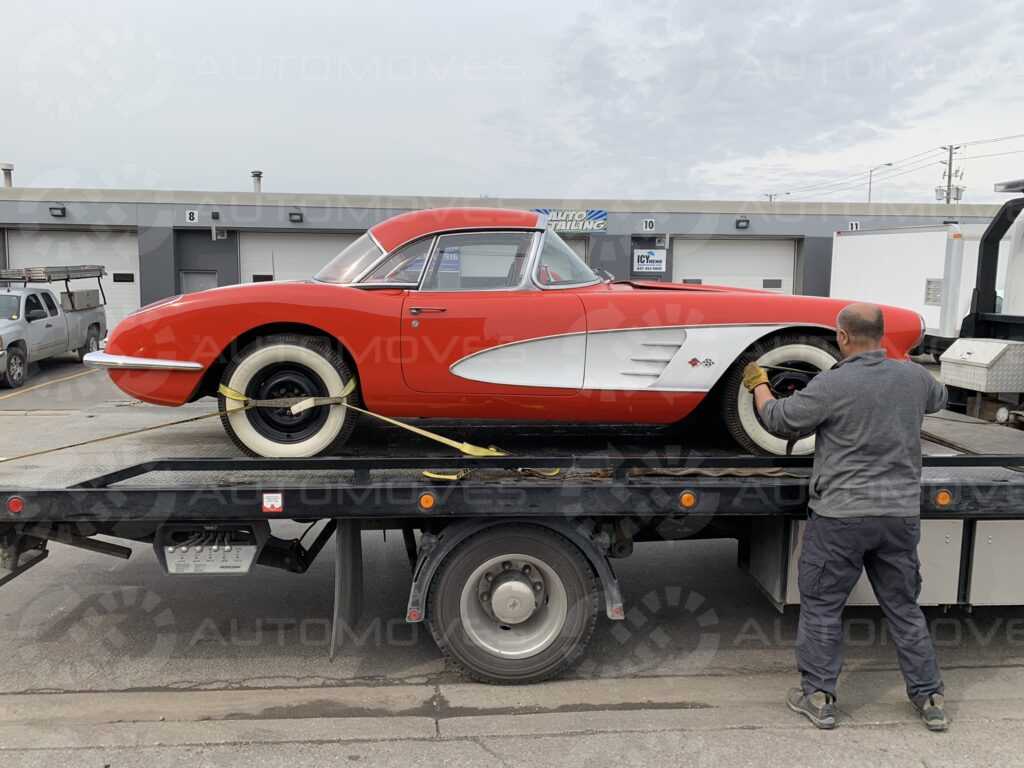
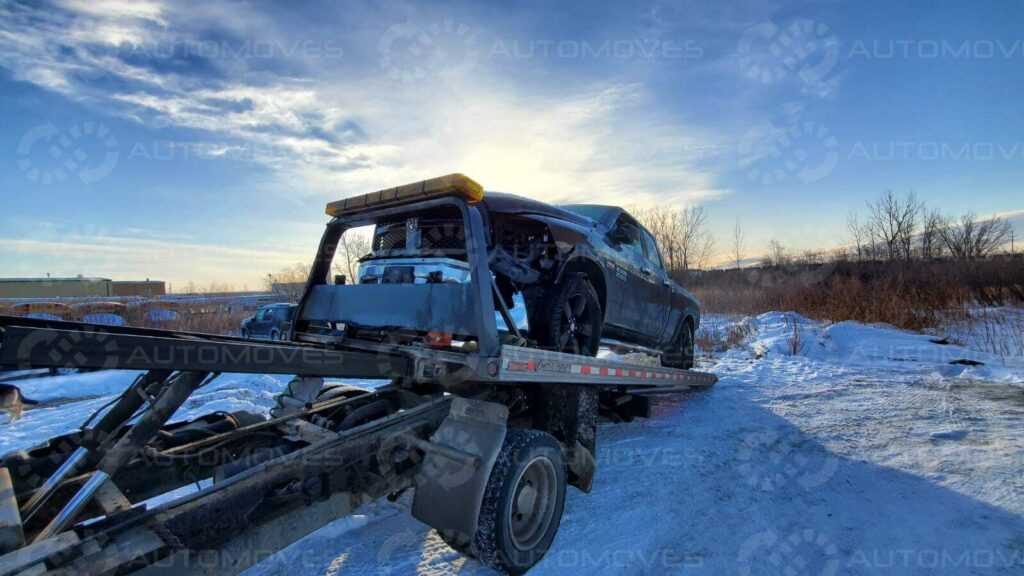
These don’t need to look pretty when they arrive. They often don’t run. The priority here is cheap transport with the right loading equipment. Let the carrier know which vehicles are parts cars when you book so they can plan equipment and pricing accordingly.
Buying Seasonally: When to Stock Up at Auction
Auction inventory and pricing follow predictable seasonal patterns across Canada. Understanding them lets you buy smarter and ship cheaper.
Winter months (January through March) are when auction lots are fullest. Insurance claims from winter driving increase the supply of salvage and damaged vehicles. Fewer dealers are buying because demand on their lots is slower. This is the best time to stock up on rebuild projects at lower prices, and shipping rates are typically lower too because carrier demand drops.
Spring (April through May) is when retail demand picks up. Customers start shopping. If you stocked up in winter and your vehicles are repaired and listed by April, you’re ahead of dealers who are just starting to buy at auction when prices are already climbing.
Summer and fall are peak competition at auctions. More dealers are buying, prices are higher, and shipping rates increase because carriers are busier with personal relocations and snowbird season. If you can avoid doing your heaviest auction buying during these months, you’ll save on both purchase price and transport.
Setting Up Cross-Province Auction Logistics
If you’re buying from auctions in multiple provinces, you need a carrier that covers all of them. Booking with a different company for each province creates a mess of contacts, tracking systems, invoices, and service inconsistencies. If you haven’t already, read our guide on setting up reliable auction vehicle transport for dealers with volume pricing and priority scheduling.
Automoves operates 17 terminals across Canada. That means one carrier, one account, one point of contact for pickups from Ontario, Quebec, Alberta, BC, the Prairies, and Atlantic Canada. Whether you’re pulling vehicles from a Manheim auction in Montreal or an independent house in Halifax, the process is the same on your end.
For dealers doing this regularly, we build route schedules around your buying patterns. If you buy from IAA Toronto and Adesa Calgary every other week, we keep space available on those corridors. You don’t compete with the general booking queue.
Tracking Your Transport Costs Per Vehicle
Dealers who scale their auction buying successfully track transport cost per unit the same way they track reconditioning cost. It’s a line item on every deal, and it affects whether the vehicle is profitable.
Keep a running log of what you pay to ship each vehicle. Break it down by route, vehicle type, and condition. Over a few months, you’ll see which auction-to-lot corridors are cost-effective and which ones eat into your margins. That data tells you where to focus your buying and where to pull back.
If your average transport cost per vehicle is climbing, it’s usually because you’re booking reactively instead of planning ahead. Consistent scheduling with one carrier almost always beats last-minute bookings with whoever is cheapest that week.
Frequently Asked Questions About Scaling Dealer Auction Buying
Ready to expand your auction buying radius?
If you’re a dealer looking to buy from auctions across Canada without transport logistics holding you back, receive a free quote from Automoves today to get started!