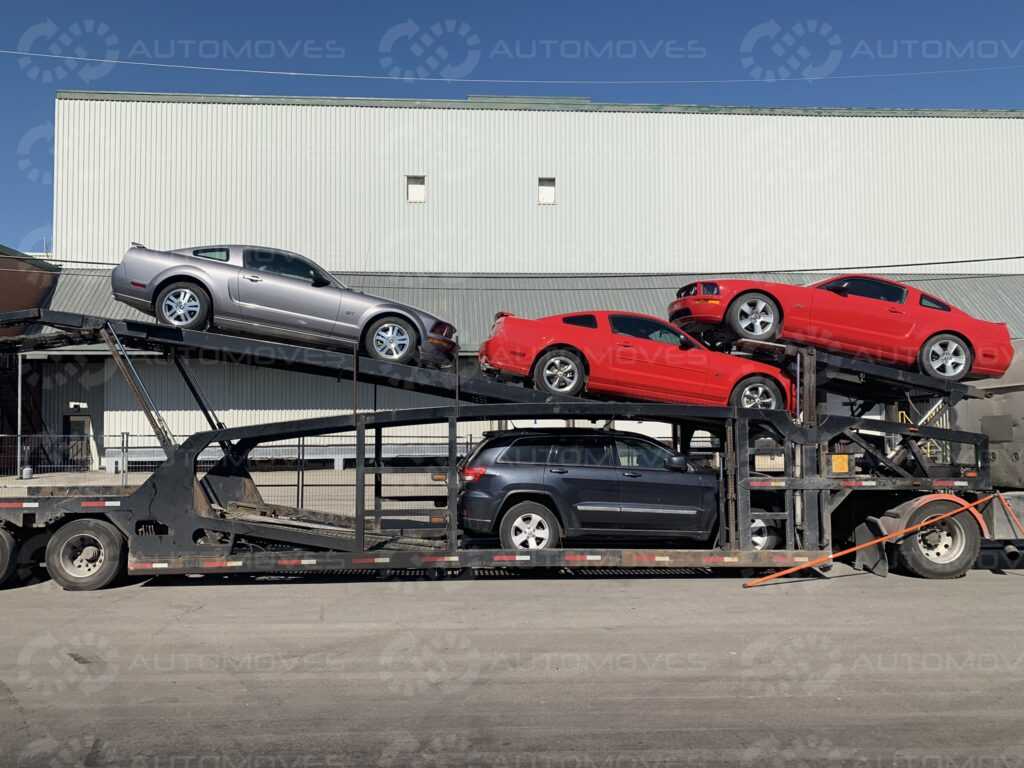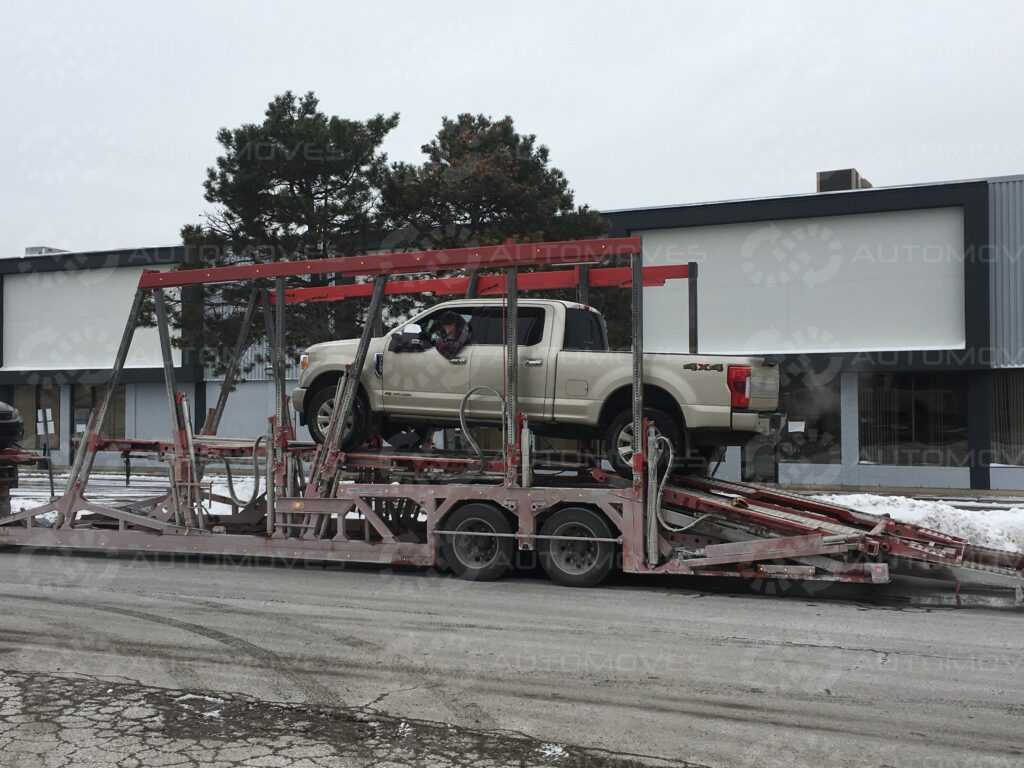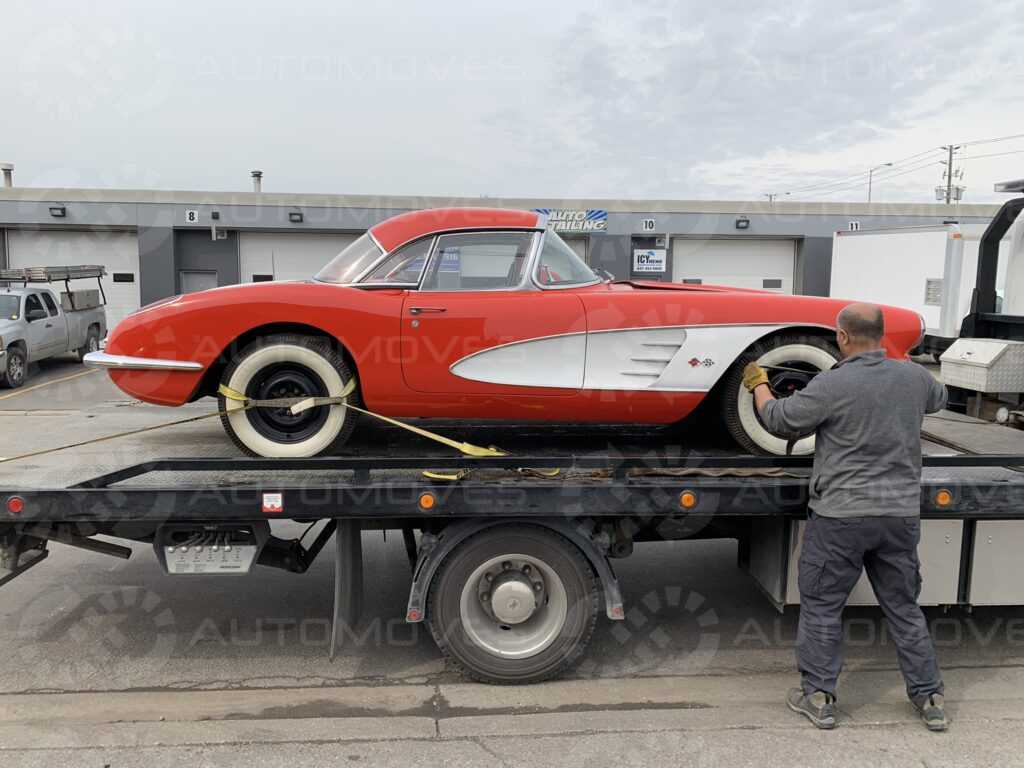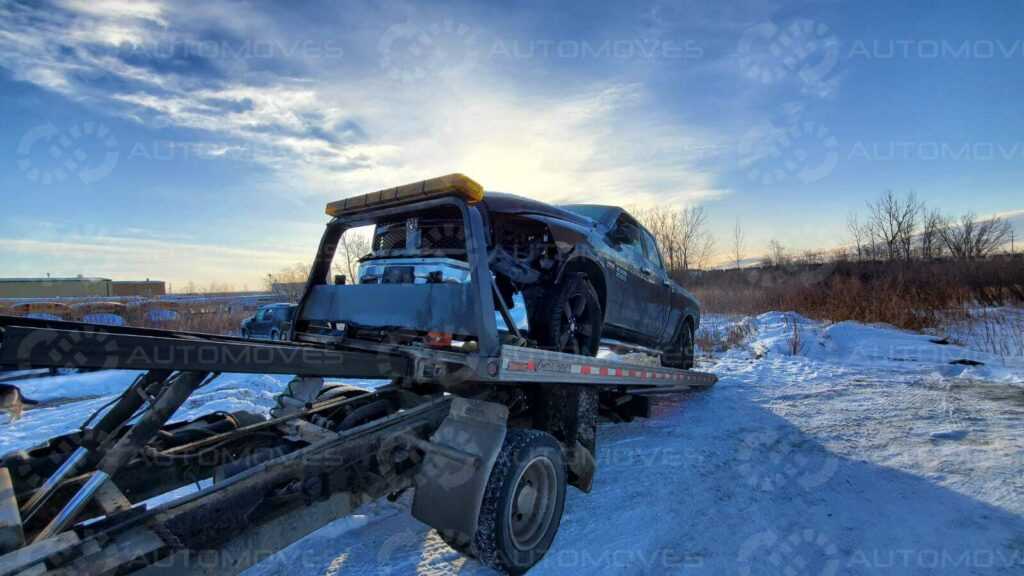
Some steps take a few minutes on the morning of pickup, but others need a week’s notice, and electric, modified, and non-running vehicles each need a little extra planning.
What to Do One to Two Weeks Before Pickup
Tell Us About Anything Unusual
Let our team know when you book if the car doesn’t run, sits lower than stock, has oversized tires, or carries a roof rack or lift kit. These details affect the truck and equipment we send, so sharing them early avoids delays on pickup day.
Fix Leaks and Mechanical Problems
A car that leaks oil, coolant, or brake fluid can drip onto other vehicles on the carrier. Have any active leaks repaired before pickup, or mention them when you book so our team can plan for them.
Check that the parking brake holds firmly and the battery starts the car reliably, since the driver has to drive it on and off the truck.
Choose Who Will Hand Over the Car
Someone has to be there at pickup and delivery to walk around the car with the driver and sign the condition report. If you can’t be, choose a person you trust and make sure they know about any existing damage.
What to Do the Day Before Pickup
Wash the Car
Dirt hides scratches, chips, and small dents, which makes the condition report less accurate. Wash the outside the day before, or as close to pickup as the weather allows, so you and the driver can see the paint clearly.
Photograph Every Side
Take clear, dated photos of the front, back, both sides, roof, and wheels, plus close-ups of any existing damage. Add a photo of the dashboard with the car running, so the mileage and any warning lights are on record.
Keep the photos somewhere easy to find until the car has been delivered and checked.
Empty the Interior
Remove personal belongings, loose items, and anything valuable, including chargers, sunglasses, and coins. Take out garage door openers, parking passes, and toll transponders too, so they can’t be lost or read in transit. If you’d like to leave something in the trunk, ask our team first.
Remove or Secure Accessories
Take off bike racks, roof boxes, and anything else on the outside that could come loose at highway speed. Lower or remove antennas, and make sure a truck bed is empty and any tonneau cover is closed and locked.
Close Windows, Sunroofs, and Convertible Tops
Roll every window up fully and close the sunroof, since the car will travel at highway speed in rain, snow, and road spray. Secure a convertible top and check that its seals are in good shape, or ask about enclosed transport if they aren’t.
Check Fuel, Tires, and Fluids
A quarter tank of fuel is enough for loading and unloading, and it keeps the car lighter. Inflate the tires to the pressure listed on the driver’s door jamb, and top up the washer fluid for the drive at the other end.
Turn Off Alarms and Automatic Features
Disarm any aftermarket alarm or show the driver how to switch it off, and cancel remote starter schedules. Turn off any other feature that could lock the doors or start the engine on its own while the car is on the truck.
What to Do on Pickup Day
Walk Around the Car With the Driver
The driver inspects the car and notes any existing damage on the condition report. Walk around with them, point out anything you photographed, and make sure the report matches what you see before you sign, then keep your copy for delivery day.
Hand Over the Right Keys
Give the driver one working key or fob, plus a wheel lock key if the car has locking lug nuts. Keep the spare set yourself, and replace a weak fob battery beforehand so the car can be unlocked at the other end.
Confirm Contact Details
Make sure the driver has a phone number you’ll answer, along with the name and number of whoever is receiving the car. Delivery times can shift with traffic and weather, and a quick call keeps everyone on schedule.
What to Do on Delivery Day
Inspect Before You Sign
Walk around the car with the driver and compare it with the pickup report and your photos. Check the roof, lower panels, and wheels, which are easy to miss, and do the inspection in good light if you can.
If you spot new damage, note it on the delivery report before signing and photograph it on the spot. Then contact our team so we can follow up.
Get the Car Road-Ready
Start the car and check for warning lights, then put back anything you removed, such as racks, transponders, and parking passes. If the car sat in the cold or heat for several days, check the tire pressure before driving far.
What to Do for Electric, Modified, and Non-Running Vehicles
Electric and Hybrid Vehicles
Leave enough charge for the driver to load and unload the car, plus some extra for the drain while it sits, especially in winter. Turn off scheduled charging and remote climate settings that could wake the car and use up battery while it travels.
Lowered and Modified Vehicles
Lowered cars, wide body kits, and long front splitters can scrape on loading ramps. Tell our team the car’s ground clearance when you book, and ask whether enclosed car transport would suit it better.
Classic and High-Value Cars
A classic, exotic, or freshly restored car needs the same steps, with extra care on the photos and condition report. Note any existing chips or paint flaws in detail, and tell our team about anything fragile, such as low exhaust tips or original trim pieces.
Vehicles That Don’t Run
A car that won’t start or drive has to be winched onto the truck, so it needs to be booked through our non-running and salvage vehicle service. Make sure the wheels roll and steer, and tell us if any keys are missing.
What to Do for Winter, Hail Season, and Condo Parking
Cold Winters
Deep cold is hard on batteries, coolant, and washer fluid. If you’re shipping a car to or from Edmonton between November and March, test the battery and use washer fluid rated to −40°C.
Hail Season
Summer hail is a real risk in southern Alberta. If you’re moving a vehicle in or out of Calgary between June and August, keep it in a garage before pickup and consider an enclosed trailer for a valuable car.
Condo Parking
A car carrier can’t enter an underground garage, so condo residents using our Mississauga service will need to drive the car up to a nearby meeting spot. Take your garage fob and parking pass off the key ring before handing the key over.
The Complete Vehicle Transport Checklist
Use this list to tick off each step before the truck arrives.
| When | Task |
| 1–2 weeks before | Tell us about modifications, non-running issues, or racks |
| 1–2 weeks before | Repair leaks and check the battery and parking brake |
| 1–2 weeks before | Choose who will hand over and receive the car |
| Day before | Wash the car |
| Day before | Take dated photos of every side, the roof, the wheels, and the dashboard |
| Day before | Remove belongings, transponders, openers, and parking passes |
| Day before | Remove racks and secure loose exterior parts |
| Day before | Close all windows, the sunroof, and any convertible top |
| Day before | Leave about a quarter tank of fuel and set tire pressure |
| Day before | Turn off alarms, remote starters, and auto-lock features |
| Pickup day | Walk around with the driver and check the condition report |
| Pickup day | Hand over one key, plus a wheel lock key if needed |
| Pickup day | Confirm phone numbers for you and the receiver |
| Delivery day | Inspect the car against the report and your photos |
| Delivery day | Note any new damage before signing |
| Delivery day | Reinstall accessories and check tire pressure |
Booking Your Vehicle Transport With Automoves
A well-prepared car makes pickup and delivery quicker and gives you a clear record of its condition from start to finish. Most of the steps above take an hour or less, spread over the days before the truck arrives.
Call Automoves at +1 877-577-8953 or request a quote for your vehicle, and our team will go over anything specific to your car before pickup day.