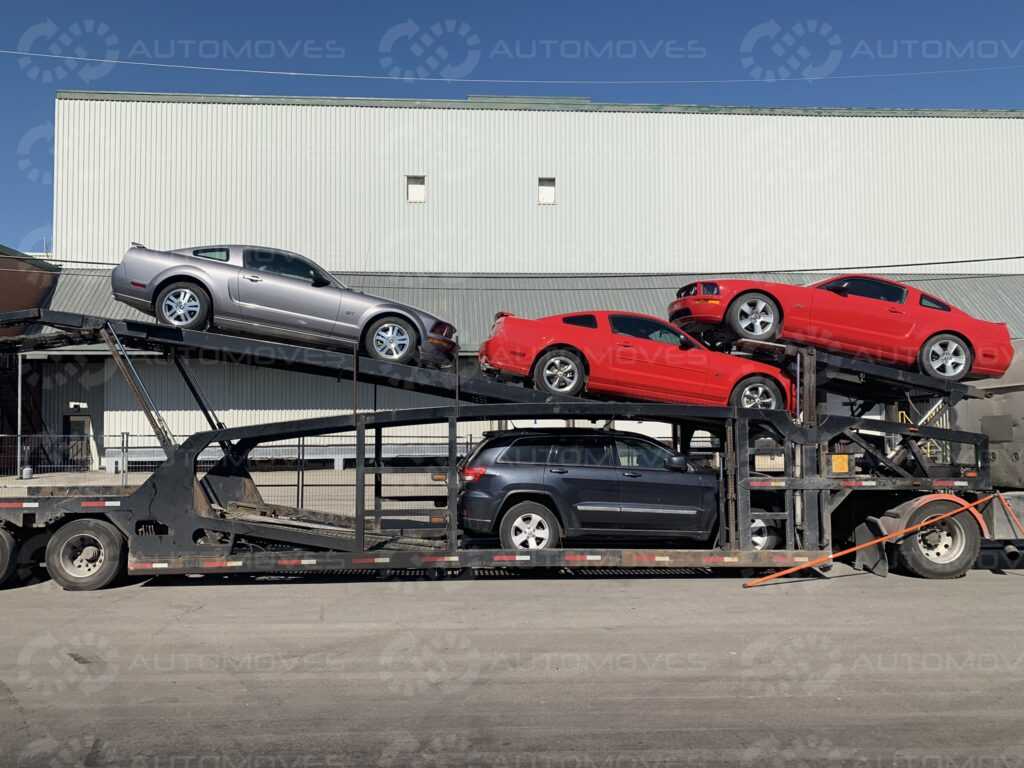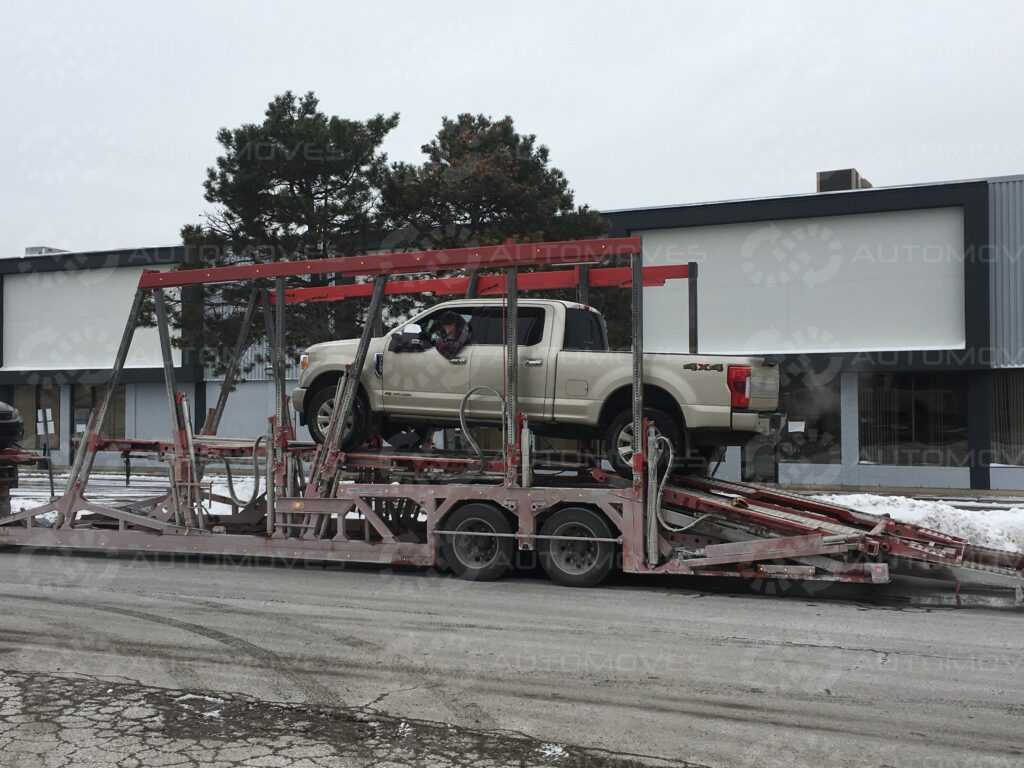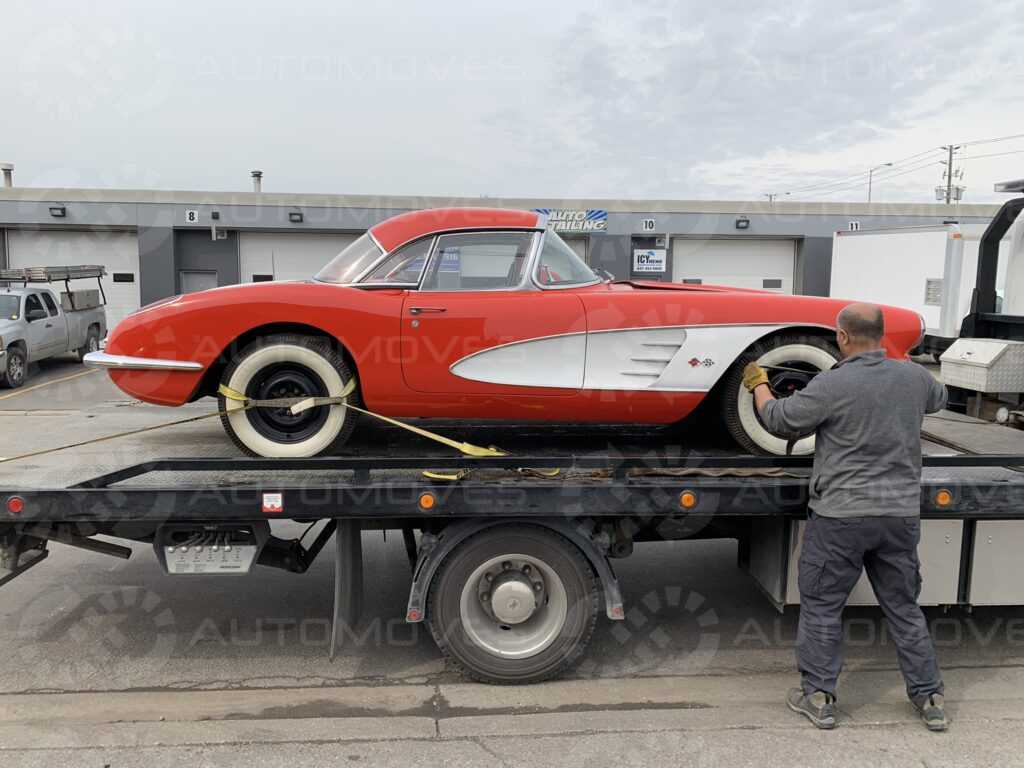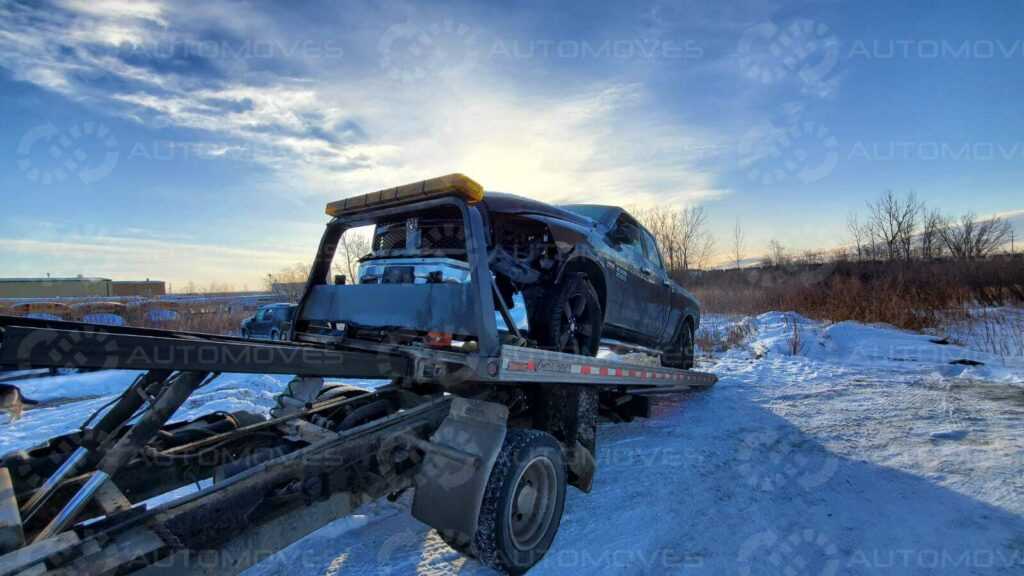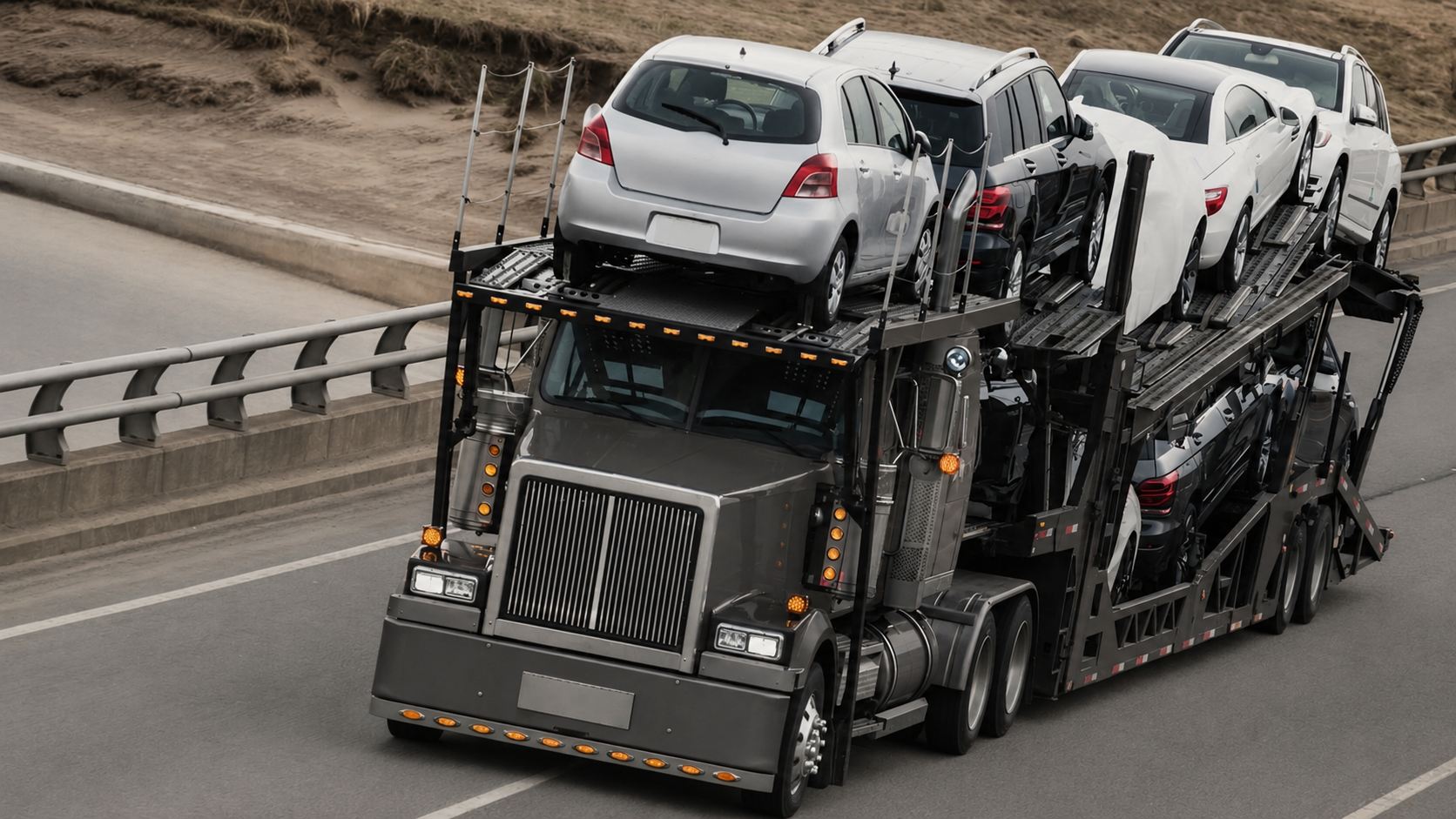
Each season brings its own local hazards, such as Stampede-week traffic in July, chinook ice in winter, and road bans on country roads in spring.
What Makes a Month Good or Bad for Shipping
Three things change through the year:
- how much you pay
- how reliable the delivery date is
- how exposed your car is on the road.
Prices follow demand, so they peak in summer and drop in winter.
Delivery dates depend mostly on weather along the route, especially in the Rockies. Exposure covers hail in summer and salt and gravel in winter. No single month wins on all three.
September and October: The Best All-Round Months
Early fall offers the best balance of price, truck space, and weather for most moves.
Lower Prices and More Open Spots
Demand drops once the summer moving season ends, so trucks have more open spots and prices come down from their summer highs. Hail season usually winds down by mid-September, which matters if your car will ride on an open carrier.
Weather Before Winter Sets In
Mountain highways into British Columbia are usually clear in early fall, though Calgary can see its first snow as soon as September. If you need a firm date for shipping a car to or from Calgary, aim for early fall rather than late November.
Some BC highways also require winter tires or chains from October 1, and early snowfalls in the passes can slow trucks later in the month.
November to February: The Cheapest Months
Prices bottom out in winter because fewer people move vehicles, but the same slowdown means fewer trucks on each route. Booking early gives you the best chance of getting the dates you want at the lower winter rate.
Chinooks and Cold Snaps
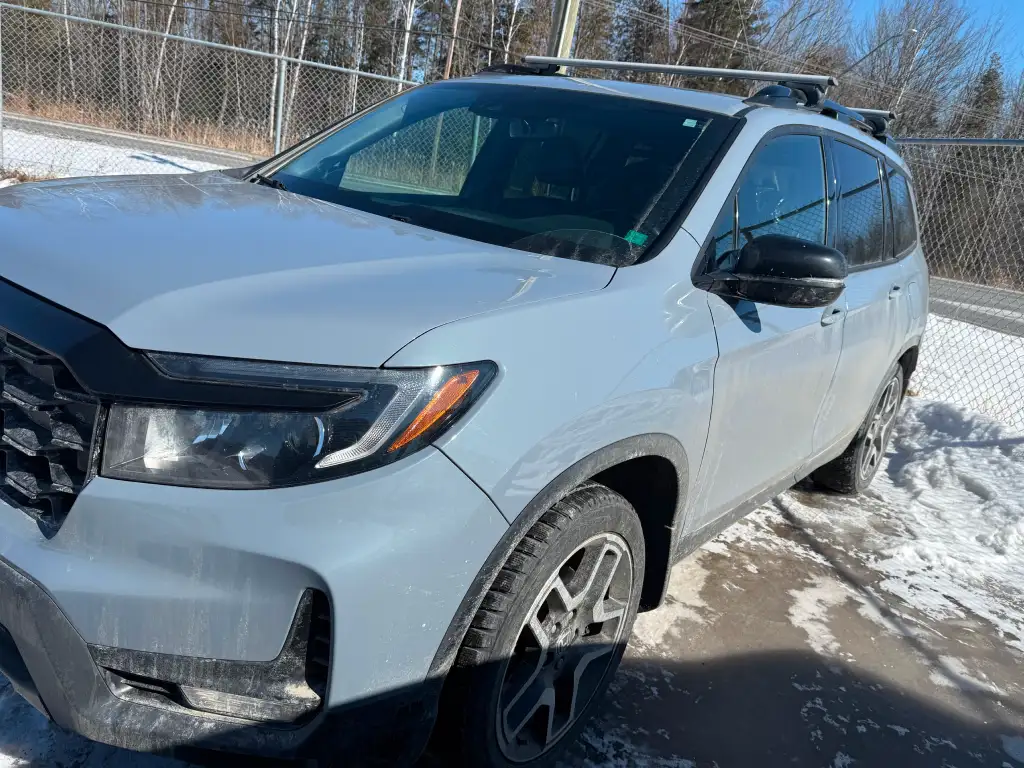
Calgary winters swing between deep cold and chinooks, the warm westerly winds that can lift temperatures above freezing within hours. A cold snap below −30°C is hard on car batteries, while a chinook often brings mild, dry days that make pickup and inspection easier.
The catch is that chinooks melt snow quickly before it refreezes, leaving icy residential streets that can slow door-to-door deliveries. Strong chinook winds can also bring high-wind warnings for tall vehicles, such as loaded car carriers, on highways south of the city.
Gravel and Road Spray
Calgary spreads gravel and salt on its roads in winter, and chipped windshields are a familiar sight by spring. On an open carrier, a car picks up some of the same spray and grime, so a classic or freshly painted car is better off enclosed in winter as well as summer.
Mountain Routes Into British Columbia
The main route west from Calgary is the Trans-Canada Highway through Banff, Kicking Horse Canyon, and Rogers Pass. In winter, avalanche control and collisions can close these mountain sections for hours or longer, and our drivers wait for them to reopen.
If your car is heading to Vancouver, Kelowna, or Victoria between November and February, allow a wider delivery window. You can follow current BC highway conditions while it is on the road.
March to May: The Changeable Months
Prices start to climb by spring, but availability is usually good until the summer rush begins in late May.
Spring Road Bans Outside the City
As the frost comes out of the ground, Alberta and its rural municipalities put seasonal weight restrictions on many roads to protect them from heavy trucks. This mostly affects acreages and farms around Calgary, such as in Rocky View County or Foothills County, where a loaded car carrier may not be allowed on the local road.
When a ban applies, our driver may need to meet you on the nearest main highway instead of at your gate. Mention a rural address when you book so our team can plan the pickup point ahead of time.
Late Snowstorms
Snow in April and even May is common in Calgary, and a spring storm can bring heavy, wet snow that slows highways for a day or two. These storms rarely last long, so a short delay is more likely than a long one.
June to August: The Busiest Months
Summer is peak moving season, with school breaks, new jobs, and home sales landing in the same few months. Prices are usually at their highest and spots on each truck fill quickly, so book well ahead.
Hail Season
Calgary sits in a region often called Hailstorm Alley, and most of its hail falls between June and August. A storm can pass in minutes and still dent panels or crack glass on a car parked outside or riding on an open carrier.
Most daily drivers ship safely on open carriers in summer, but for a classic or a car with new paint, enclosed car transport removes the hail risk. Shipping in September instead lowers both the price and the risk. Either way, keep your car in a garage the night before pickup if you can.
Stampede Week
The Calgary Stampede fills the city for 10 days each July. The parade closes downtown streets, and traffic around Stampede Park and the Beltline stays heavy all week, which can make door-to-door service in central neighbourhoods harder to schedule.
If your address is downtown or near the grounds, choose a date just before or after the event, or use our Southeast Calgary terminal instead.
Calgary’s Shipping Year at a Glance
Here is how the four seasons compare side by side.
| Months | Prices | Truck space | Main thing to plan around |
| September–October | Moderate | Good | Early snow late in the season |
| November–February | Lowest | Limited | Mountain closures and cold snaps |
| March–May | Rising | Good | Rural road bans and late snowstorms |
| June–August | Highest | Tight | Hail and Stampede week |
Choosing the Right Month for Your Calgary Move
For the best mix of price, availability, and weather, aim for September or October. Winter suits you if cost matters most and your dates are flexible, while a high-value car shipped in summer is safest in an enclosed trailer.
Book your Calgary vehicle shipment with Automoves by calling +1 877-577-8953 or requesting a quote online.